Availability: 7 in stock
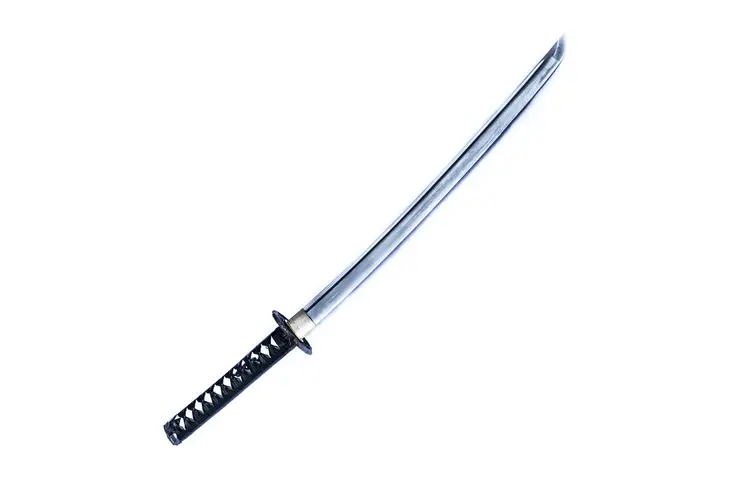
The wakizashi is a Japaenese sword used by samurai warriors during feudal Japan. The Wakizashi has a blade between 12 and 24, 30-60 centimeters. The wakizashi was worn with the katana and was the official sign that the wearer was a samurai. When worn together the pair of swords were called daish?, which translates as “big-little”. The katana was the “big” or long sword and the wakizashi the “little” or companion sword. Wakizashi were not just a smaller version of the katana. They were forged differently and had different cross sections. Wakizashi have been in use as far back as the 15th or 16th centuries. The wakizashi was used as a backup sword. It was also used for close quarters fighting and to behead a defeated opponent. It was also used to commit seppuku, a ritual suicide. The wakizashi was one of several short swords available for use by samurai including the yoroi t?shi, and the chisa-katana. It was not until the Edo period in 1638, when the rulers of Japan tried to regulate the types of swords and the social groups which were allowed to wear them, that the lengths of katana and wakizashi were officially set.
The sword is made from 1095 steel. 1095 steel is the highest carbon steel commonly used in swords. It has a carbon level of .95% which is one of the highest carbon levels for any type of steel. The most common high carbon swords are 1045 steel which only have .45% carbon content in the steel. 1095 steel is known for its ability to maintain an edge and is an incredibly hard steel. 1095 steel typically has a hardness of 56-58 HRC. The problem with 1095 steel is that it is lacks flexibility. Flexibility is critical to sword making so the sword doesn’t break on high impact collisions. To increase the flexibility of this steel, tempering is used to soften the steel. The clay is thickly painted on the blade to insulates the parts of the blade that we want softened so they cool more slowly during the quenching process. In this case, the clay is painted everywhere except the edge. This tempering process keeps the strong and sharp edge of the blade while allowing the rest of the blade to be more flexible. This process optimizes the strength of the blade and maximizes its sharpness creating an incredible strong blade and sharp edge.